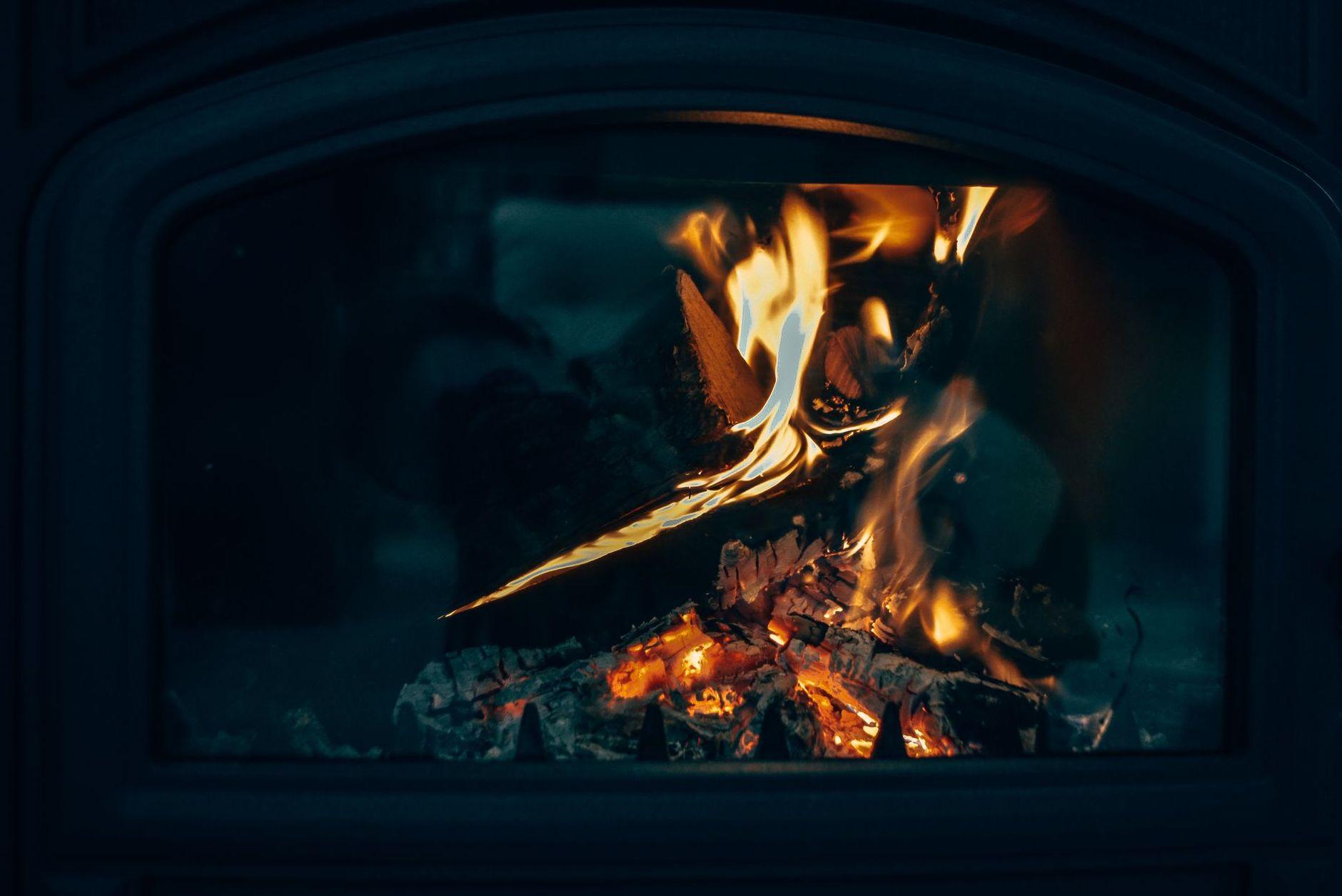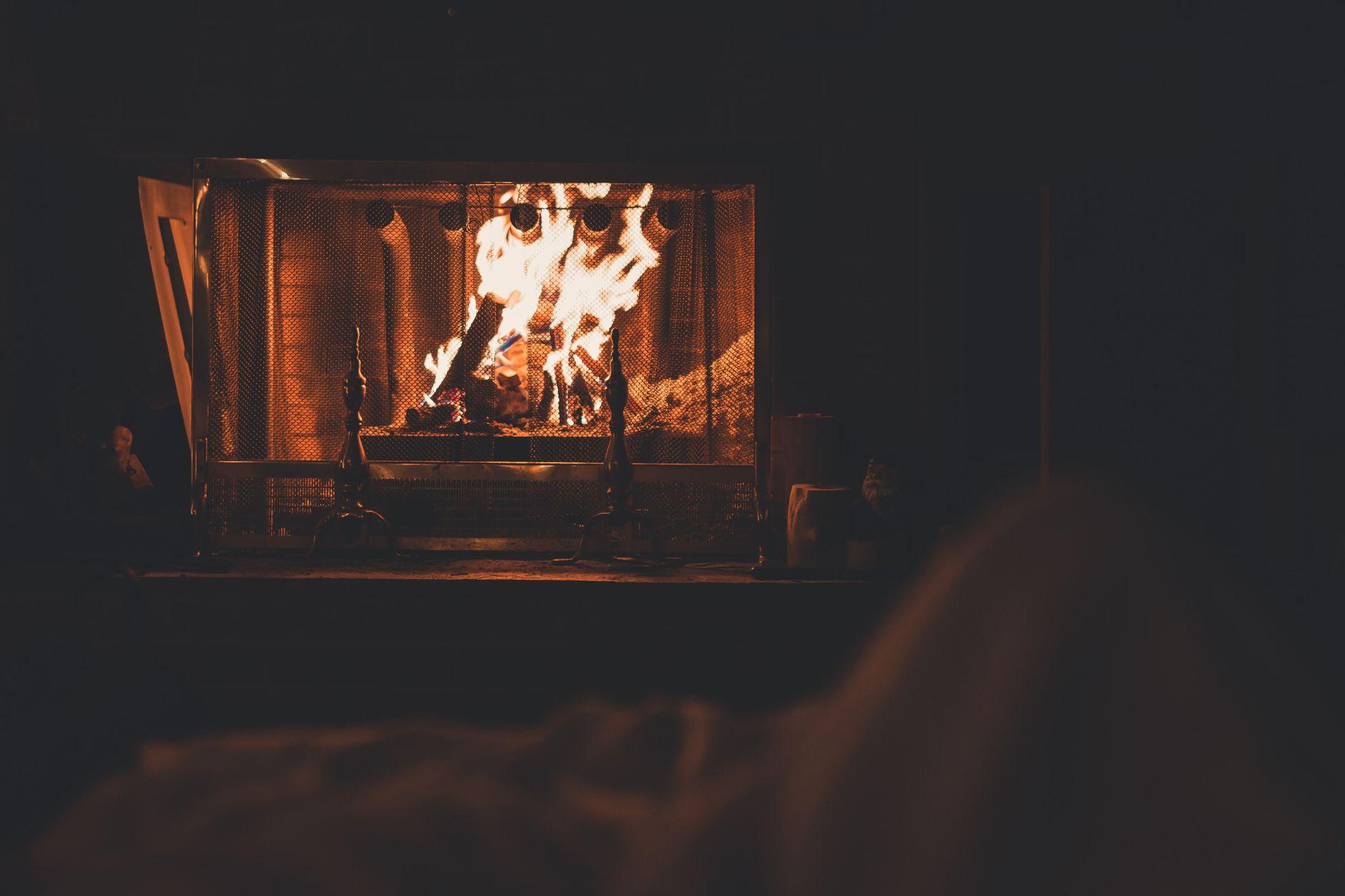
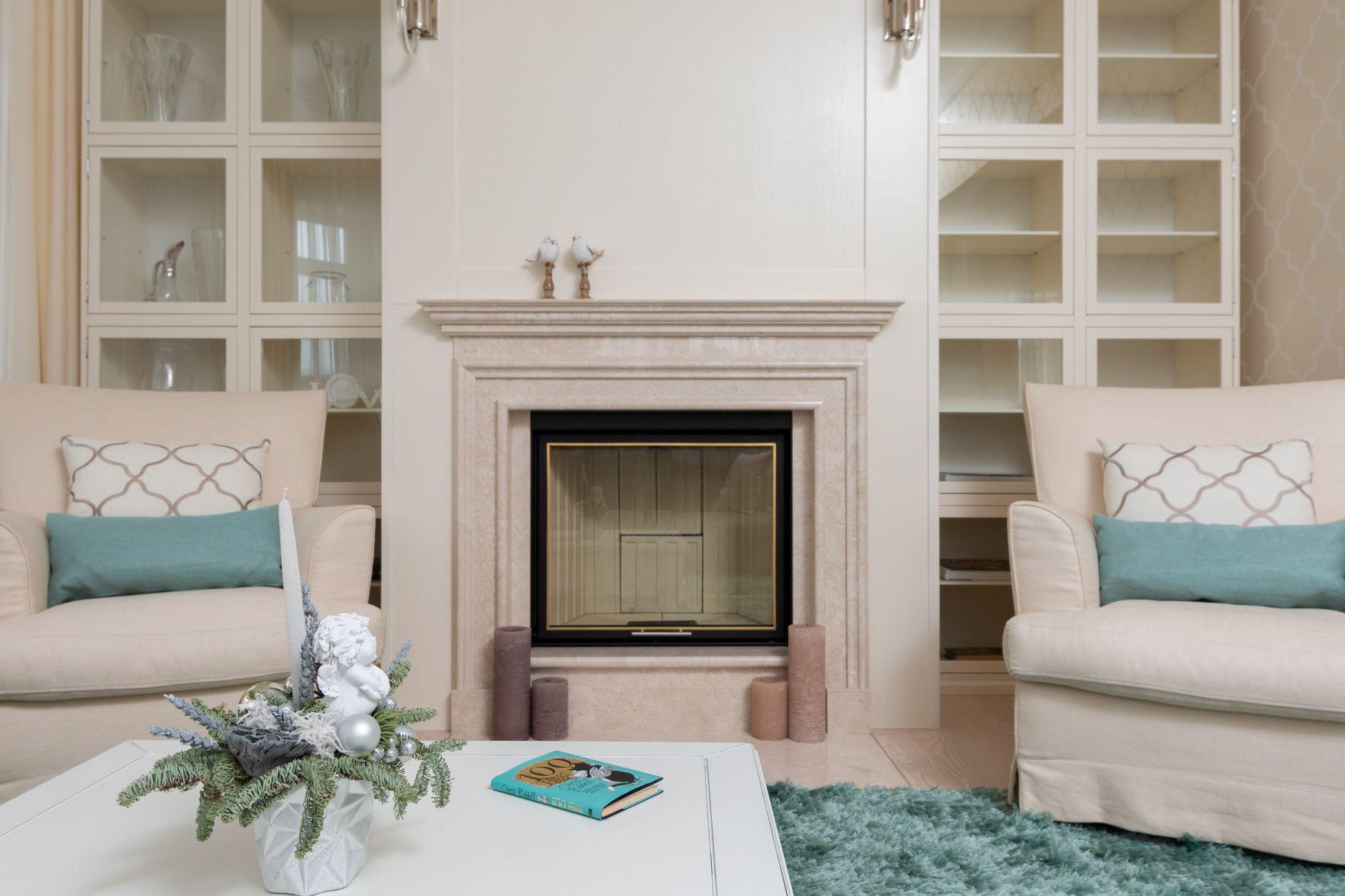
A gas fireplace in a listing photo looks finished: glass front, logs, a remote on the mantel. In a Glendora sale it raises questions that a general home inspection tends to leave open. Does the valve shut off clean? Is the vent sound all the way up? Was the insert set into a chimney that could take it? This post covers what a chimney inspection looks at on a gas unit during a sale, what it costs and what each side of the deal gets from it.
Why a sale calls for the camera
NFPA 211, the standard our inspections follow, describes three depths of chimney inspection. For a house changing owners it points to the middle depth, Level 2, since the new owner is taking on a flue they have never used. Gas does not change that. A Level 2 from Heather Chimney Group is $410, and on a gas unit it covers the appliance, the venting from end to end with a camera wherever there is a flue to run it through, and the chimney or chase that carries it.
What we check on a gas unit
- Valve and pilot. We light the unit, watch the pilot prove, run the burner through a full cycle and check the fittings for gas.
- Glass and seal. On a sealed unit a cracked panel or a slack gasket lets exhaust into the room, so the panel, the latches and the seal all get looked at.
- Logs and burner. Logs out of place make soot and push carbon monoxide up. We compare the layout against the maker's diagram.
- Vent. On an insert, the camera follows the liners up the old flue. On a direct vent unit, we check the pipe joints we can reach and the cap outside.
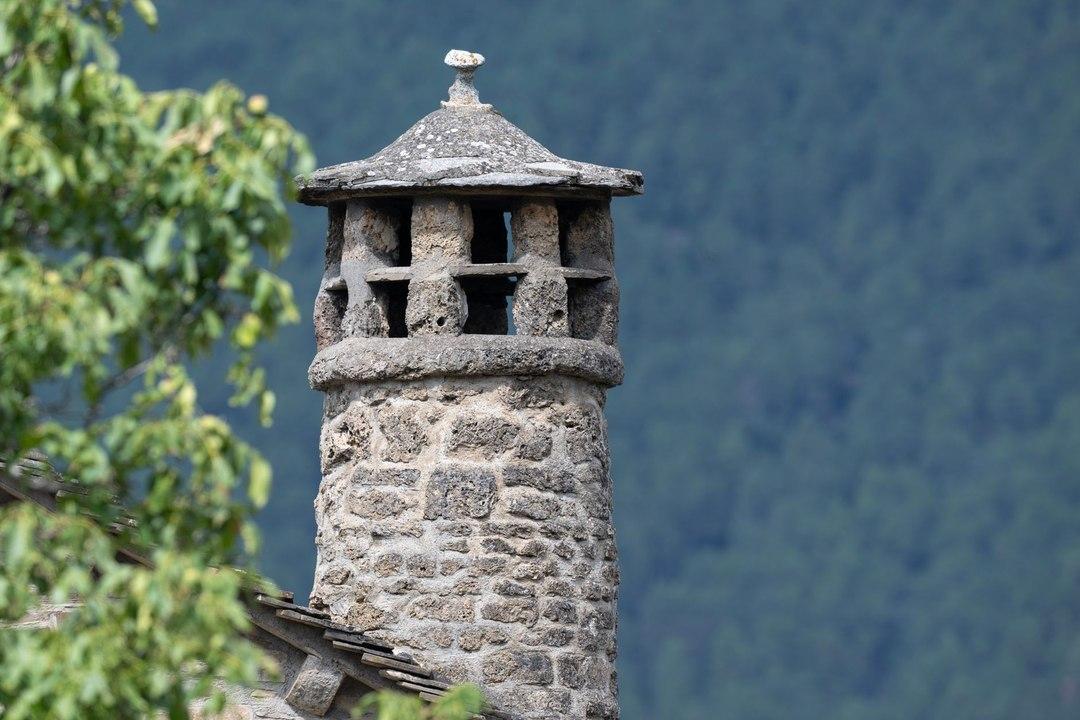
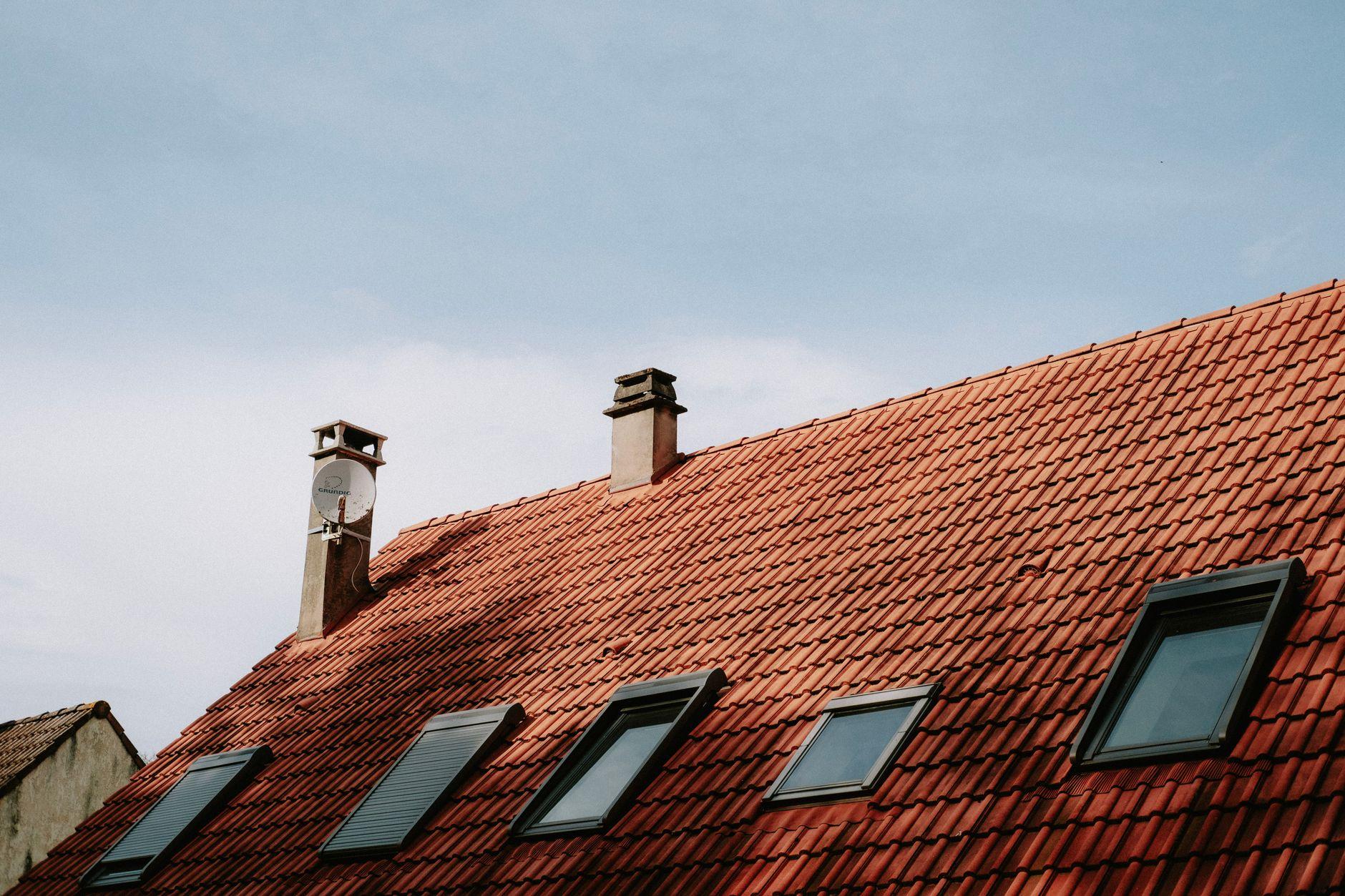
- Chimney or chase. Crown, cap, flashing, the brick or the siding around a factory-built chase, and the attic where the vent passes through.
- Room air. A carbon monoxide reading with the unit running.
How the report reads
Each item gets photos and a short plain note under it: working as built, worn but serviceable, or needs repair. Repairs carry our published price where one exists and a written quote where it does not. A buyer can hand it to the seller as the basis for a repair request. A seller who orders it before listing can fix items first or disclose them up front, so the buyer's inspection holds no surprises.
To get on the schedule, book the sale inspection with the property address and the escrow stage you are at. We will call back to arrange access with whoever holds the keys.
Findings we write up often
Gas fireplaces in Glendora house sales tend to produce the same handful of items:
- A log set burning in a brick fireplace with the damper free to close
- An insert with no liner, venting straight into the old smoke chamber
- Cracked glass hidden behind the safety screen
- A direct vent cap tucked behind a shrub or under a window that opens
- An older valve for which no parts are made
- A crown split in a past quake and never repaired
Glendora sits at the foot of the San Gabriel Mountains, and shaking from the 1991 Sierra Madre quake and the 1994 quake both reached chimneys here. A gas conversion done years later often went in on top of that damage without anyone filming the flue.
Gas left off in a vacant house
Empty listings often have the gas shut at the meter, or the pilot turned off for the season. If we cannot light the unit, the report says which checks were done and which were not, so nobody reads a gap as a pass. Where the gas can be turned back on before the visit, the whole list gets done in one trip. When you book, mention whether the house is lived in and whether the gas is on.
Who orders, who pays and who reads it
The report belongs to whoever orders it. When a buyer orders it, it goes to the buyer and anyone the buyer names, usually their agent. When a seller orders it before listing, it can go into the disclosure packet. Agents who bring us several sales can see how we handle that on the real estate agents page, and sellers of older houses will find the parts of a pre-1980 chimney set out on the home sale chimney inspection page.
When the report finds a repair
A repair found during a sale does not have to stall it. We price the fix and the parties agree who pays. Items with a published price, such as leak work at $585 to $3,500, can go straight into a repair request. Others, such as a valve or a liner, get a written quote once the inspection is done. A cap is quoted after we measure. The up to code repairs page lists the usual fixes in the order we tackle them.
Gas units that need more than an inspection
Sometimes the inspection shows that the unit itself is at the end of its life: a rusted firebox, a valve with no parts, glass that cannot be sourced. In that case the report says so plainly and the buyer can price a replacement before closing. Our post comparing gas inserts and direct vent units covers the two usual paths and their published ranges.
Sales across the San Gabriel Valley
We inspect for sales in Glendora, Azusa, La Verne and West Covina. Houses there run from postwar ranch homes with brick chimneys to newer tracts with factory-built gas units in a framed chase, and the report reads differently for each.
Buying or selling a house with a gas fireplace? The contact page is the quickest way to book the Level 2 and name the people who should receive it.
Want Your Own Unit Checked?
Heather Chimney Group sends technicians out from Glendora across Glendora and Los Angeles County. They meter the pilot, valve and igniter, check the vent, and write down the failed part and its price before anything is replaced.