
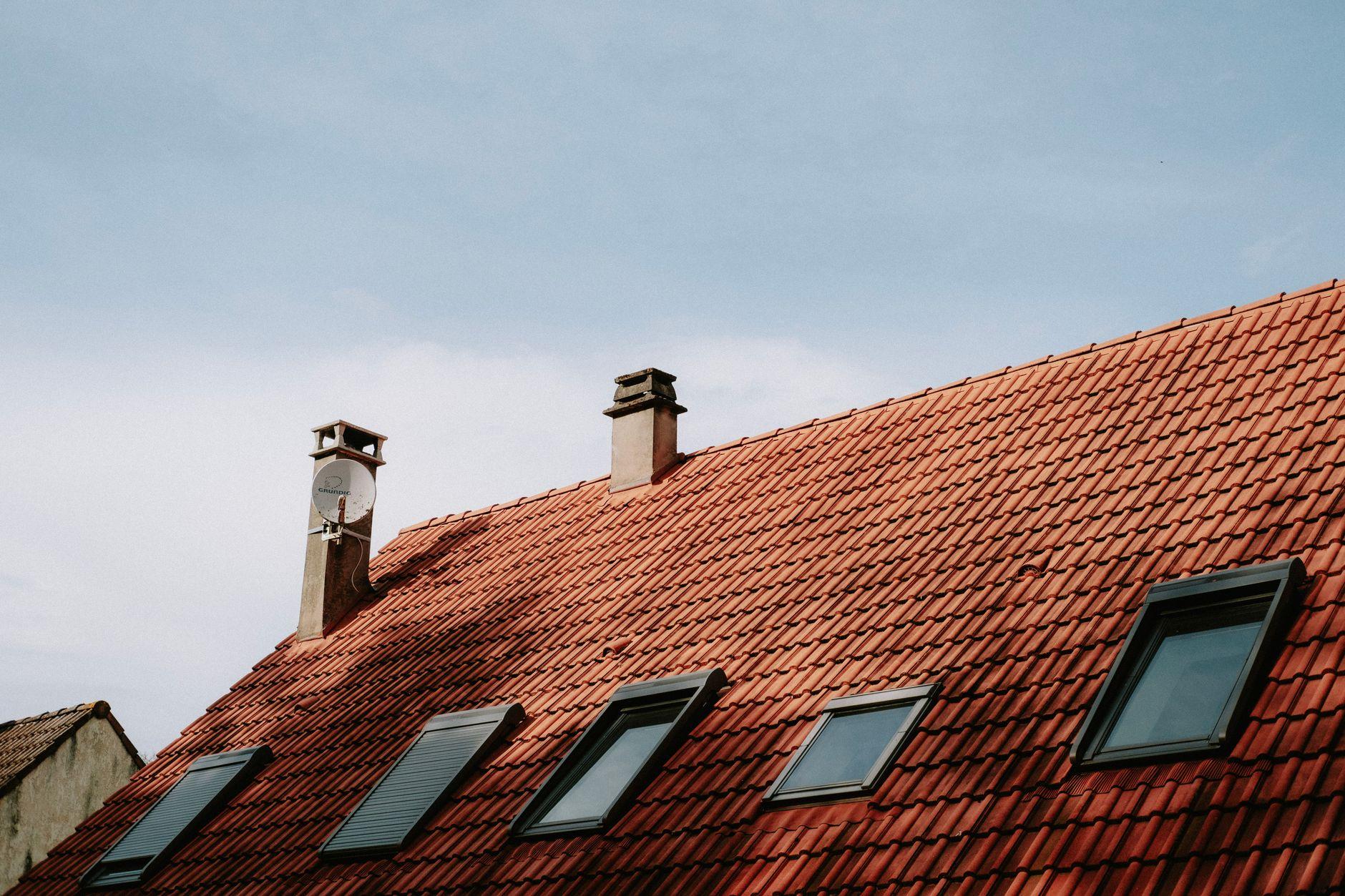
Fix what moves in a quake first, then the rest
Bring us the failed report
Give us the main findings in a sentence or two, and we call back to plan the repair visit.
What moves when the ground shakes
In a quake the house and the chimney do not sway together. The wood frame flexes; the masonry does not, and it is tied to the house at only a few points, if at all. The strain gathers where the chimney leaves the roof, because everything above that line is unsupported brick rocking on a mortar joint.
Glendora felt that strain in the 1991 Sierra Madre quake and again in the 1994 quake. Chimneys that came through can still carry the damage: a crown split through, a horizontal crack at the roofline, a stack twisted slightly on its base, flue tiles offset where only a camera sees them.
- Crown: the cast top of the chimney, often the first piece to crack.
- Upper courses: the brick above the roof, where joints open first.
- Roofline joint: where a horizontal crack can let the top section shift.
- Ties to the house: metal straps that many older chimneys never had.
- Flue tiles: hidden offsets the camera finds and nobody else does.
The usual structural fixes
Cracked crowns are recast with an overhang so water drops away instead of running down the brick, while fine cracks on an otherwise sound crown can be sealed. Loose upper courses are lifted off and relaid in fresh mortar. Where the stack is sound but untied, bracing and straps fix it to the roof framing so it has support above the roofline.
When the damage runs deeper, the chimney is rebuilt from the point where the brick is sound again, and sometimes that point is well down the stack. Some owners take the brick down below the roof and finish with a framed chase around a gas vent, which removes the heaviest part from above the roof altogether. Each of these gets a written price once we know how much brick is involved.
Water and gas items after the structure
Once the stack is sound, the next items keep water out and send gas exhaust where it belongs. A cap stops rain and debris entering the flue. A cricket turns water aside on the high side of a wide chimney. Leaks traced to flashing or masonry are repaired where they start. On a gas setup, a sealed insert with its own liners replaces an open fireplace or an old unlined conversion.
The order has a reason. A new cap or a new insert on a chimney that could shed its top in the next quake is spending in the wrong place, so the brick comes first.
Prices for the common fixes
These repairs carry a published figure. Crown work, bracing, rebuilds, liners, dampers, chase covers and flashing alone are written up after we see the chimney. Caps are handled apart: we measure the flue, then give the cap its price.
- Camera inspection to confirm the scope
- $410
- Finding and stopping a chimney leak
- $585 to $3,500
- Water diverter on the high side
- $465 to $1,055
- Diverter plus fresh metal around the base
- $700 to $1,750
- Gas heater box fitted to your brick fireplace
- $2,900 to $5,850
- Cap fitted over the flue
- Quoted after we measure
Structural work leads every plan we write; the items above follow once the stack is sound.
Structure-first repair questions
Why fix the structure before a leak that is staining the ceiling?
A leak damages drywall; a falling chimney top can hurt someone. Where a leak is active we can put a temporary measure in place, but the lasting fix waits until the brick it depends on is sound.
Does every Glendora chimney need bracing?
No. Many are short, sound and well tied in. Bracing comes up when the stack stands tall above the roof, the upper brick is weak or the inspection found movement. The report says which applies.
Can a damaged chimney be lowered instead of rebuilt?
Often. Taking the brick down below the roofline and finishing with a framed chase removes the weight that worries us most. It suits houses that already burn gas, since a gas vent does not need a masonry flue.
Is a gas insert a code fix or an upgrade?
It depends on the finding. Where an open fireplace or an unlined conversion is written up, an insert with its own liners solves the venting problem. Where nothing is wrong, it is an upgrade for heat. Our range for it is $2,900 to $5,850, and the quote names what goes in.
How do I know the repair worked?
For structural work we photograph each stage and you get the photos with the invoice. For flue repairs we can run the camera again so the footage shows the result.
Holding a list of chimney repairs?
Start on the contact page with the main findings. We put the structural items first and price the rest line by line.
Call (626) 557-0424