
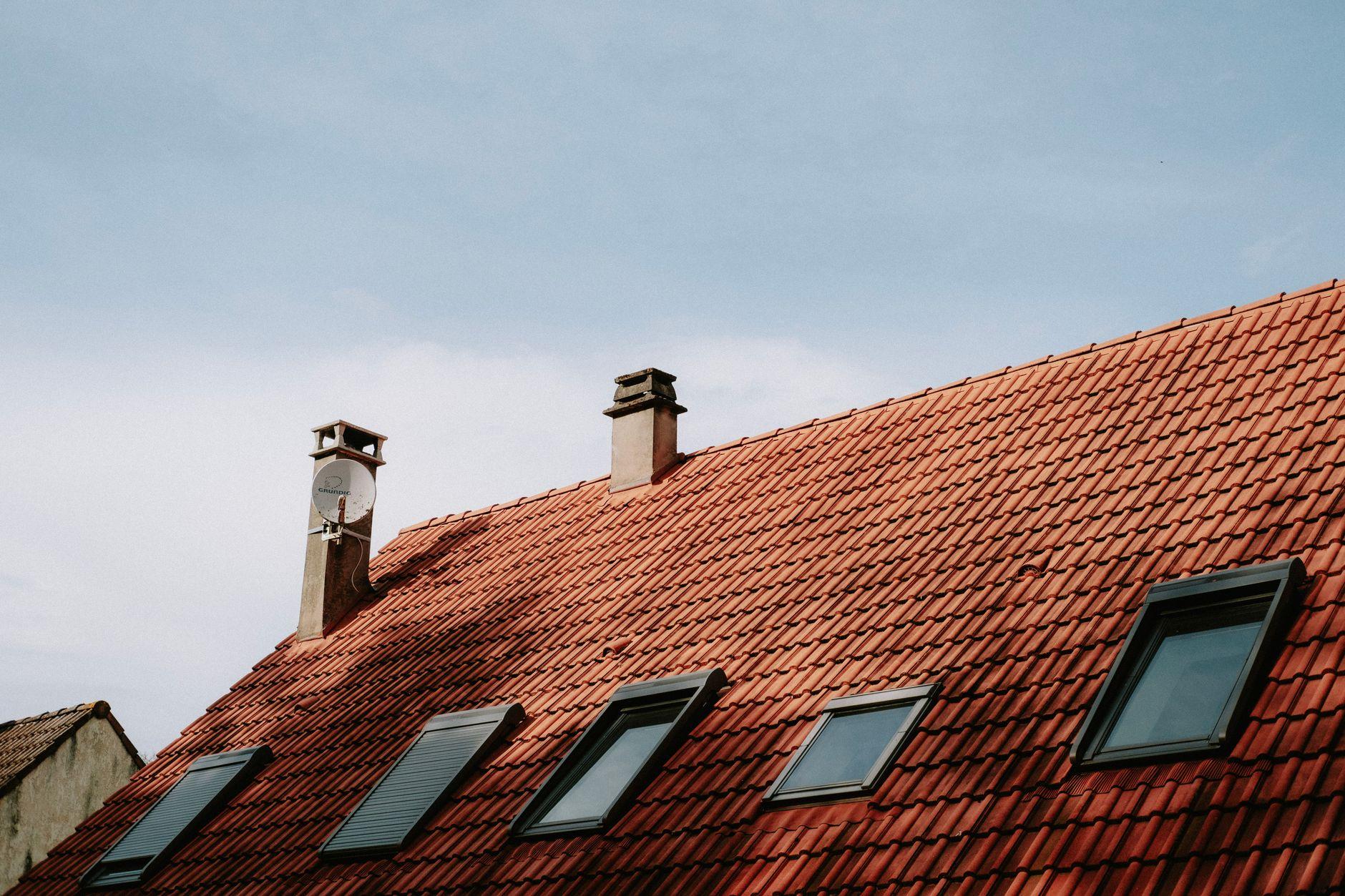
Chimney Sweeping In Glendora For Wood And Gas Flues
Ask About This Job
Say what is going on and why you are looking at chimney sweep. We call back to book, and repairs are priced in writing first.
What the visit covers
Gas burns cleaner than wood, yet a masonry chimney that vents a gas appliance still collects nests, fallen mortar and old creosote left over from its wood years. Our sweep runs rotary brushes the length of the flue, scrapes the smoke shelf, keeps a HEPA vacuum on the hearth and clears the cap on the way down. A wood flue gets its creosote stage written up. Sweeps start from $440.
Sweeping From A Gas Shop's Point Of View
Most of our days are spent on gas hearths, and that changes how we sweep. A flue is the exhaust pipe for whatever burns at the bottom of it, so before the brushes go in we ask what that is: split oak on a grate, a vented log set, a wood insert, or a fireplace that has not been lit since the last owner moved out. Each one leaves something different behind. Wood leaves creosote and soot. A log set leaves fine soot when its flame runs yellow and dirty, plus the odd nest or pile of leaves that a quiet flue collects over a summer. Then the work itself: the opening is sealed off with a drop cloth and a HEPA vacuum, rotary brushes sized to the flue are run from the bottom or the roof, the smoke shelf is cleared by hand, and the cap screen is checked for a buildup that chokes the draft. Sweeps start from $440 for a single flue.
What comes out of the flue is evidence, and we read it rather than just bag it. Dry, powdery soot from a wood fire means the fire burns hot and the flue draws. Crusty flakes point to damp wood or a fire that is choked down too often. A hard, glossy coat on the tile says the smoke is cooling too fast, and that coat does not brush off, so we name it and explain the options. Under a gas log set, black soot on the shelf tells us the burner is out of tune or the logs have been moved off their marks, which is a burner fix and not a chimney fix. All of it goes on a written note. If the flue has a cracked tile, a missing cap or loose brick at the top, we write that down too and give you a separate price, with no work done until you say yes.
When A Glendora Flue Is Due
For a wood fireplace, the deposit decides the date: once there is enough creosote on the walls to burn, it is time, and a yearly look tells you when you are close. In the foothill neighborhoods, oak and eucalyptus get burned a lot, and a stack of wood that was split last spring is often still wet in the middle, which is how a light-use fireplace ends up with a heavy coat. Book late summer or early fall, before the first cold week, and you get an unhurried visit. For a gas log set the interval is longer, but a flue that has sat unused for years still wants a look before the first fire, because birds and bees like a dark chimney with nobody home. If a Santa Ana season blew ash and leaves down the flue, that counts too.
A sweep is also the right moment to sort out the rest of the hearth. If you plan to swap a wood fire for gas logs or an insert, the flue should be clean before the new burner goes in, and our crew can read the liner while the brushes are out. If you already burn gas and the flame has started to look lazy, ask us to service the burner on the same trip so you are not paying for two visits. On the contact form, tell us what burns in the fireplace, roughly when the flue was last swept, and anything odd you have noticed, such as a smell on warm days or smoke curling out at the top of the opening. That lets the crew bring the right brushes and parts. Homes in Glendora, Azusa, La Verne and West Covina are on our regular routes.
Four Habits on Every Call
Readings First
Each part is tested before anything is swapped
CO Checked
A carbon monoxide reading closes each visit
Price on Paper
Repairs written up for your approval first
Photos Left Behind
Before and after images with every report
Where we offer chimney sweep
Pick your town for notes on its houses and weather, and how they change this work.
CA
Chimney Sweep in Glendora
Village streets keep some 1900s and 1920s houses; citywide, 80% predate 1980. When gas logs burn inside an old site-built brick chimney, we test pilot, thermocouple and valve, then look at the mortar carrying the exhaust out.
Open pageCA
Chimney Sweep in Azusa
Postwar ranch tracts and apartments fill much of Azusa, and only 48% of homes are detached. A sealed direct vent gas unit in an apartment relies on its glass gasket and wall cap, so we check both before relighting the pilot.
Open pageCA
Chimney Sweep in La Verne
Heavy tract growth from the 1960s on left 62% of homes older than 1980. Where a gas fireplace from that era runs a standing pilot, an aging thermocouple can let the flame drop out, and we test it with a meter before swapping parts.
Open pageCA
Chimney Sweep in West Covina
64% of homes are detached, and factory-built metal fireplaces became common in tracts like these from about the 1970s. In such a unit the gas valve, burner pan and metal flue are one listed system, so we match replacement logs and parts to the model plate.
Open pageOther services
Chimney Inspection
A Level 1 look at flue, firebox, vent termination and gas connection, with a written finding and a photo for each item.
Read moreChimney Repair
Repairs to the stack itself: open mortar, a split crown, loose flashing or a cracked flue tile, each priced on paper first.
Read moreFireplace Inspection
Firebox, hearth, surround, glass front and gas controls looked over on site, with trim clearances measured and noted.
Read moreFireplace Repair
Firebox brick, dampers, glass doors, surround panels and hearth cracks mended, using heat-rated material near the flame.
Read moreChimney Level 2 Inspection
Recorded video of the entire flue plus the access spaces beside the stack, booked for a sale, a gas conversion or after shaking.
Read moreChimney Cap Installation
Mesh caps for masonry flues and listed termination caps for gas vent pipe, fitted and fastened so wind cannot lift them.
Read moreChimney Flashing Repair
Roofline leaks around the stack stopped with new step and counter metal, the upper piece let into a cut mortar joint.
Read moreChimney Masonry Repair
Sandy joints, flaking brick faces and loose courses repaired with a mortar chosen for the age and hardness of the brick.
Read moreChimney Rebuilds
Stacks too far gone to patch taken apart where they have failed and laid back up with steel, a new crown and a fresh flue.
Read moreFireplace Cleaning
Ash, soot and smoke staining cleared from the firebox and face, doors washed, and any gas log set brushed off.
Read moreGas Fireplace Cleaning
Yearly gas fireplace service: burner ports, pilot hood and sensor cleared, glass film removed and a CO reading taken.
Read moreGas Fireplace Repair
Pilots that drop out, burners that never catch, sparking igniters and dead remotes traced with a meter to the single failed part.
Read moreFireplace Remodel
Fireplace faces, mantels and hearths redone in tile, stone or plaster, often alongside a move to a gas insert or log set.
Read moreFireplace Inserts
Sealed gas heaters set into a masonry firebox, with exhaust and intake liners, a gas connection and a trim panel.
Read morePellet Stove Repair
Pellet stoves that quit feeding, lighting or running, traced through the auger, igniter, fans and vacuum switch.
Read moreWood Stove Repair
Worn firebrick, a sagging baffle, a tired door gasket or a plugged catalyst replaced so the stove seals and controls its burn.
Read moreGas Logs
Ceramic log sets picked for the fireplace and the room, then piped, arranged and test-fired by our technician.
Read moreChimney Seismic Retrofit
Bracing, straps or a lighter top for unreinforced brick chimneys at risk in a quake, scoped in writing after a look.
Read moreChimney Crown Repair
The poured top of the stack resealed, patched or recast with an overhang so rain drips away from the brick.
Read moreDryer Vent Cleaning
Lint packed in the duct between dryer and outside wall cleared with brushes and air, then the airflow measured.
Read moreChimney Liner Installation
Stainless flue liners that give a gas insert, log set or stove the vent diameter its manual calls for, top to bottom.
Read moreChimney Leak Repair
Damp walls, rusty dampers and drips in the firebox followed back to the place rain enters, then sealed there.
Read moreChimney Waterproofing
A breathable water repellent soaked into brick and stucco chimneys after repairs, so masonry sheds rain yet still dries.
Read moreChimney Damper Repair
Throat and top-mounted dampers repaired or replaced, plus permanent stops for fireplaces that now burn gas logs.
Read moreChimney Chase Cover
Rusted metal tops on framed chimney enclosures replaced with stainless bent to fit, with cross-breaks so water runs off.
Read more