
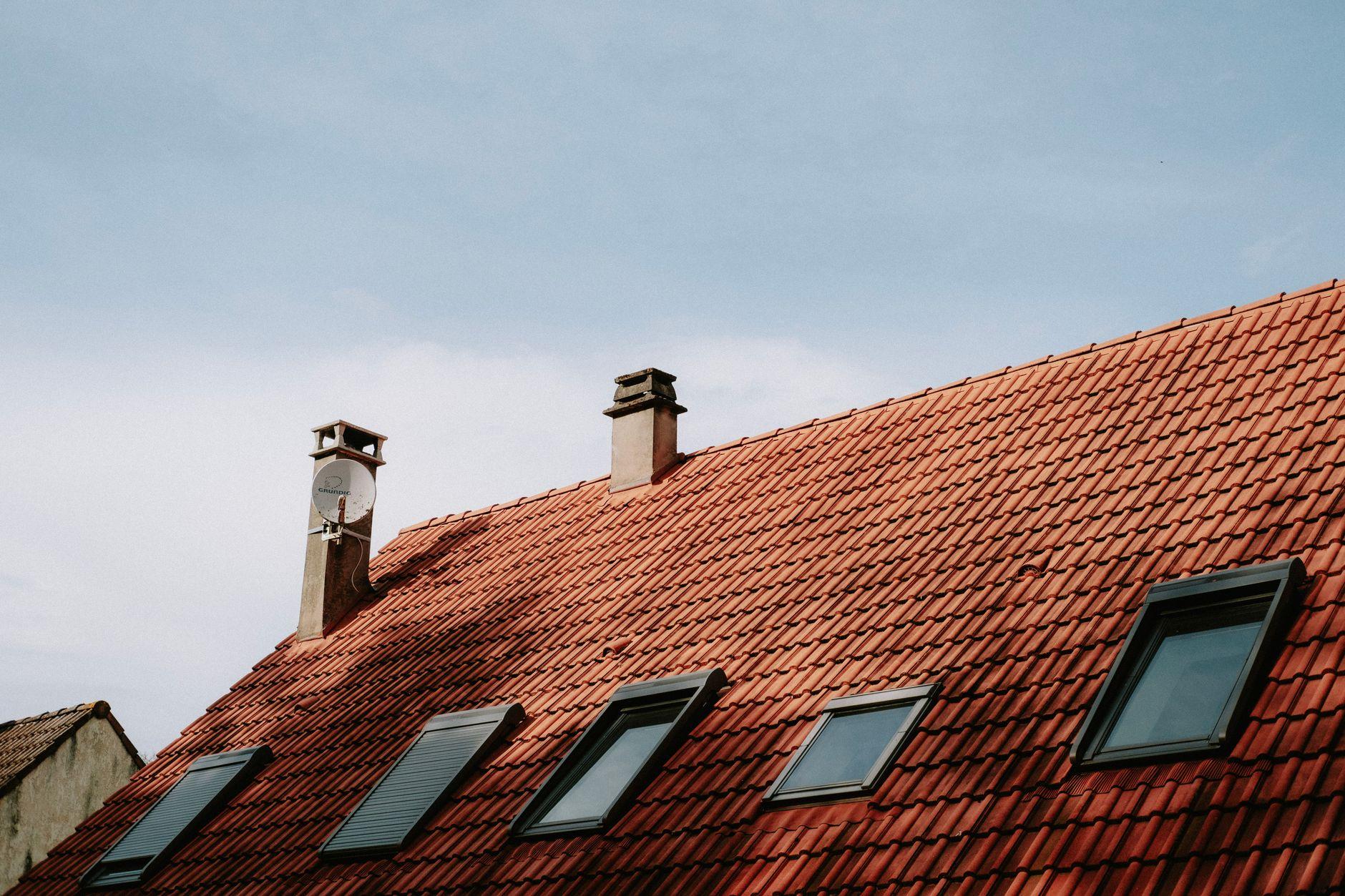
Chimney Rebuilds In Glendora
Ask About This Job
Say what is going on and why you are looking at chimney rebuilds. We call back to book, and repairs are priced in writing first.
What the visit covers
A rebuild makes sense when brick crumbles, a stack has shifted, or the top has cracked clean across after a quake. We remove the brick that has let go, keep the courses that still hold firm, and lay it back with reinforcing steel and ties to the house framing, a new flue or liner and a cast crown. Some owners rebuild lighter to suit a gas unit. Permits and a written scope come first.
When Repair Stops Making Sense
Repointing and brick replacement work when the chimney is still basically sound. Some are not. A stack that has started to lean, bricks that move when you push them, mortar that falls out in handfuls, or a long crack that opens wider every winter all tell us the wall can no longer hold itself together. Many of the chimneys we see in the older parts of Glendora have been shaken more than once: the 1987 Whittier Narrows quake, the 1991 Sierra Madre quake up in the mountains to the west, and the 1994 quake all loosened brick across the San Gabriel Valley. The section above the roof is the most exposed, because it has nothing alongside it for support and takes the most sun and rain. That is usually the only part that needs to come down.
We work out the extent before we quote. That can mean a camera scan of the flue, a look in the attic at how the chimney sits in the framing, and tapping along the courses to find where the brick is firm. The scope then names a point: the brick is taken down to here, and everything above it is rebuilt. On some homes that is a few feet below the crown. On others it reaches below the roof line or, rarely, further down. The written quote names the point, the brick and mortar we plan to use, the new crown and cap, any liner work, and the plan if firm brick sits lower than it looked from outside. That last line matters: it means you know in advance how a surprise would be handled and priced, instead of hearing about it with the stack half down.
A Rebuild Planned Around The Fireplace
A rebuild is the cheapest moment in the life of a chimney to fix the flue. With the top open, a stainless liner can drop straight in, sized for the gas insert or log set you plan to use, and the new crown can be cast around it with a proper gap. Many Glendora owners use a rebuild to make the switch from wood to gas, since the old tile flue was sized for a wood fire and would not suit a modern gas unit anyway. Others ask about bracing or other seismic work at the same time, and our seismic retrofit page covers those choices. Either way, we plan the chimney, the flue and the hearth below as one job, so nothing needs to be cut out again later.
Rebuilds are priced on paper once we have seen the chimney, because the height, the number of flues and the amount of brick to take down vary from house to house. The quote also lays out what we need on site: roof access, staging, and somewhere for the old brick to go. Work is planned for dry weather when possible, so new mortar and the crown can cure. If you are selling, our up to code repairs page explains how we handle a rebuild that comes up in escrow. To start, tell us on the contact form what you have noticed and whether the chimney has been looked at since the last big quake. A rough height, such as one story or two, and whether the fireplace burns wood or gas today, help us plan the first visit. If a crack or lean worries you, keep the fireplace unlit until we have seen it.
Four Habits on Every Call
Readings First
Each part is tested before anything is swapped
CO Checked
A carbon monoxide reading closes each visit
Price on Paper
Repairs written up for your approval first
Photos Left Behind
Before and after images with every report
Where we offer chimney rebuilds
Pick your town for notes on its houses and weather, and how they change this work.
CA
Chimney Rebuilds in Glendora
Village streets keep some 1900s and 1920s houses; citywide, 80% predate 1980. When gas logs burn inside an old site-built brick chimney, we test pilot, thermocouple and valve, then look at the mortar carrying the exhaust out.
Open pageCA
Chimney Rebuilds in Azusa
Postwar ranch tracts and apartments fill much of Azusa, and only 48% of homes are detached. A sealed direct vent gas unit in an apartment relies on its glass gasket and wall cap, so we check both before relighting the pilot.
Open pageCA
Chimney Rebuilds in La Verne
Heavy tract growth from the 1960s on left 62% of homes older than 1980. Where a gas fireplace from that era runs a standing pilot, an aging thermocouple can let the flame drop out, and we test it with a meter before swapping parts.
Open pageCA
Chimney Rebuilds in West Covina
64% of homes are detached, and factory-built metal fireplaces became common in tracts like these from about the 1970s. In such a unit the gas valve, burner pan and metal flue are one listed system, so we match replacement logs and parts to the model plate.
Open pageOther services
Chimney Sweep
Flue brushing for wood fireplaces and for masonry chimneys that now carry gas exhaust, with any creosote stage written on the job sheet.
Read moreChimney Inspection
A Level 1 look at flue, firebox, vent termination and gas connection, with a written finding and a photo for each item.
Read moreChimney Repair
Repairs to the stack itself: open mortar, a split crown, loose flashing or a cracked flue tile, each priced on paper first.
Read moreFireplace Inspection
Firebox, hearth, surround, glass front and gas controls looked over on site, with trim clearances measured and noted.
Read moreFireplace Repair
Firebox brick, dampers, glass doors, surround panels and hearth cracks mended, using heat-rated material near the flame.
Read moreChimney Level 2 Inspection
Recorded video of the entire flue plus the access spaces beside the stack, booked for a sale, a gas conversion or after shaking.
Read moreChimney Cap Installation
Mesh caps for masonry flues and listed termination caps for gas vent pipe, fitted and fastened so wind cannot lift them.
Read moreChimney Flashing Repair
Roofline leaks around the stack stopped with new step and counter metal, the upper piece let into a cut mortar joint.
Read moreChimney Masonry Repair
Sandy joints, flaking brick faces and loose courses repaired with a mortar chosen for the age and hardness of the brick.
Read moreFireplace Cleaning
Ash, soot and smoke staining cleared from the firebox and face, doors washed, and any gas log set brushed off.
Read moreGas Fireplace Cleaning
Yearly gas fireplace service: burner ports, pilot hood and sensor cleared, glass film removed and a CO reading taken.
Read moreGas Fireplace Repair
Pilots that drop out, burners that never catch, sparking igniters and dead remotes traced with a meter to the single failed part.
Read moreFireplace Remodel
Fireplace faces, mantels and hearths redone in tile, stone or plaster, often alongside a move to a gas insert or log set.
Read moreFireplace Inserts
Sealed gas heaters set into a masonry firebox, with exhaust and intake liners, a gas connection and a trim panel.
Read morePellet Stove Repair
Pellet stoves that quit feeding, lighting or running, traced through the auger, igniter, fans and vacuum switch.
Read moreWood Stove Repair
Worn firebrick, a sagging baffle, a tired door gasket or a plugged catalyst replaced so the stove seals and controls its burn.
Read moreGas Logs
Ceramic log sets picked for the fireplace and the room, then piped, arranged and test-fired by our technician.
Read moreChimney Seismic Retrofit
Bracing, straps or a lighter top for unreinforced brick chimneys at risk in a quake, scoped in writing after a look.
Read moreChimney Crown Repair
The poured top of the stack resealed, patched or recast with an overhang so rain drips away from the brick.
Read moreDryer Vent Cleaning
Lint packed in the duct between dryer and outside wall cleared with brushes and air, then the airflow measured.
Read moreChimney Liner Installation
Stainless flue liners that give a gas insert, log set or stove the vent diameter its manual calls for, top to bottom.
Read moreChimney Leak Repair
Damp walls, rusty dampers and drips in the firebox followed back to the place rain enters, then sealed there.
Read moreChimney Waterproofing
A breathable water repellent soaked into brick and stucco chimneys after repairs, so masonry sheds rain yet still dries.
Read moreChimney Damper Repair
Throat and top-mounted dampers repaired or replaced, plus permanent stops for fireplaces that now burn gas logs.
Read moreChimney Chase Cover
Rusted metal tops on framed chimney enclosures replaced with stainless bent to fit, with cross-breaks so water runs off.
Read more