
Most calls we take in Glendora about a gas fireplace open the same way. The pilot will not stay lit, the burner clicks and nothing happens, or the flame comes up short and patchy along one side. The owner wants one answer before anyone visits: what will this cost? A gas fireplace repair is priced from the part that failed and the work it takes to reach that part, so Heather Chimney Group does not print one flat figure for it. This post lays out what goes into the number, so the written quote you get from us reads clearly line by line.
The parts that usually fail
A gas fireplace is a short chain of parts. Gas arrives through a shutoff, passes a control valve, feeds a pilot and then the main burner. Before the valve lets gas through to the burner, something has to prove the pilot is burning. On most units in Glendora houses that proof comes from one of two systems.
- Millivolt units. A pilot that burns all season heats a thermocouple, which holds a safety magnet in the valve open, and a thermopile, which makes enough current to run the wall switch or the remote. Both live in the pilot flame and wear out from years of heat.
- Electronic ignition units. A control module sparks the pilot only when you ask for heat, then a flame sensor confirms it. These run on house power or batteries, and the module, the igniter and the wiring harness are the usual suspects.
Around those sit the parts that wear for other reasons: a pilot orifice clogged with dust or spider silk, burner ports loaded with lint, the gasket on the glass of a sealed unit, the remote receiver, and the blower on units that have one.
What decides the price
Five things set the figure on the quote.
- Which part failed. A thermocouple is a small, inexpensive part. A gas valve is the costliest single part in the firebox. A control module sits in between.
- Whether the part is still made. Units from the 1990s and early 2000s often need a universal replacement or a part ordered through the maker's distributor. Some brands are gone, and a few valves are no longer sold at all, which turns a repair into a talk about a new insert.
- How the valve is reached. On many units the valve tray slides out from behind the lower louver. On others the logs, the burner and the floor panel all come out first. Inserts set deep into an old brick opening take longer again.
- What else the visit turns up. A pilot that keeps dropping out can be a worn thermocouple, and it can just as easily be a vent cap packed with a nest that pulls the flame sideways. We check before we order anything.
- The vent. If the exhaust leaves through an old masonry chimney, the flue is part of the repair, because a gas unit with poor draft keeps failing however many parts go in.
All of that gets written down after we have tested the unit. A figure given over the phone, without the valve make and model in front of us, would only be a guess.
If your fireplace has quit, tell us the make, what the pilot is doing and when it last ran and we will set up the diagnostic visit.
What you hold after the diagnostic
The visit ends with a written quote naming the failed part, the replacement, whether it is an original or a universal fit, and the labour to fit it. Anything else we found on the way in, such as a cracked glass panel, a flattened gasket or a vent cap full of debris, sits on its own line, so you can approve the repair you called about and decide on the rest separately. You also get the readings we took: inlet gas pressure, millivolt output where it applies, and a carbon monoxide reading in the room once the unit is running.
Repair, service or replace
Not every gas fireplace that misbehaves needs a repair. A burner choked with dust or a pilot hood full of lint often needs only a proper service, which is a separate visit with its own scope on our gas fireplace cleaning page. If the valve has failed and no part exists, or the firebox has rusted through, the sensible path may be a new insert. That is one of the few gas jobs with a published range, $2,900 to $5,850, depending on the unit and on what the chimney behind it needs. How that compares with a sealed unit framed into a new wall is in our post on gas inserts and direct vent units.
We tell you which of the three it is before a part is ordered. Nobody should pay for a new thermopile on a valve that is about to give out.
Gas fireplaces in Glendora houses
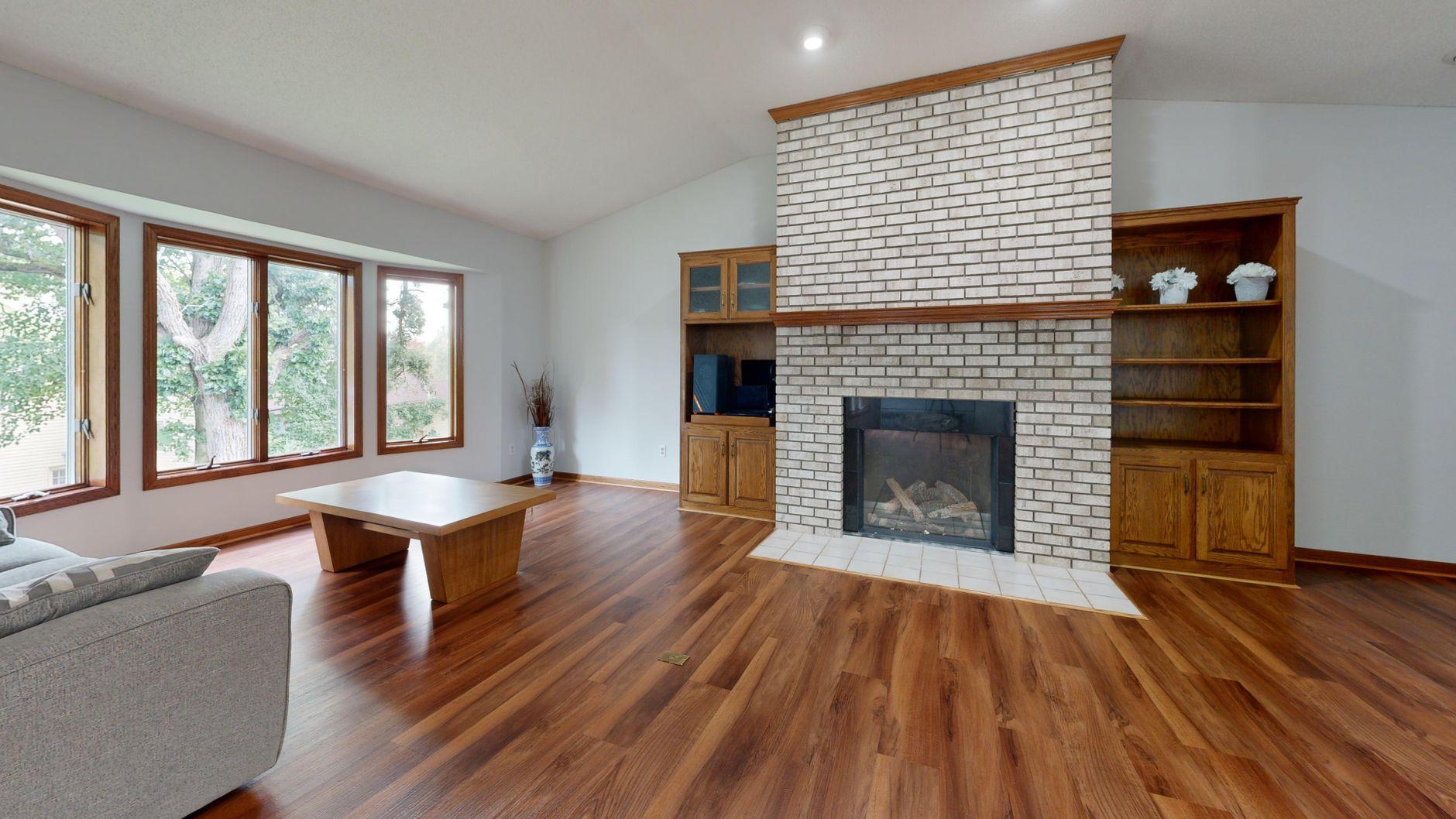
Most houses we visit along the foothills and either side of Route 66 have one of three setups: a log set burning in an older brick fireplace, an insert fitted into that opening later, or a factory-built direct vent unit framed into a wall, often in a newer tract or a remodel. Each one fails in its own way. Log sets in brick fireplaces suffer when someone closes the damper and pushes exhaust back into the room. Inserts suffer from heat trapped behind the surround. Direct vent units suffer from caps outside that collect leaves, wasps and, after a Santa Ana wind, a surprising amount of ash and grit.
The pattern holds in Azusa, La Verne and West Covina. The make of unit changes more from house to house than from city to city.
What we will not do
We do not bypass a thermocouple, wire a valve open or jumper a safety switch to get a fire going for the evening. When a safety part is shutting the gas off, it is doing its job, and we find out why. If we cannot make the unit safe on the visit, we shut the gas to the fireplace, tag it and tell you what the repair needs.
Before you book
Have these ready if you can:
- The make and model, usually on a plate behind the lower louver or on the valve tray
- Whether the pilot lights and holds, lights and drops out, or will not light at all
- Whether the unit runs from a wall switch, a remote or a knob on the valve
- Whether the vent rises through an old brick chimney or leaves through a wall
When you want the repair priced, the contact page is the way in. Say what the flame is doing and we will call back to book the diagnostic at your Glendora address.
Want Your Own Unit Checked?
Heather Chimney Group sends technicians out from Glendora across Glendora and Los Angeles County. They meter the pilot, valve and igniter, check the vent, and write down the failed part and its price before anything is replaced.