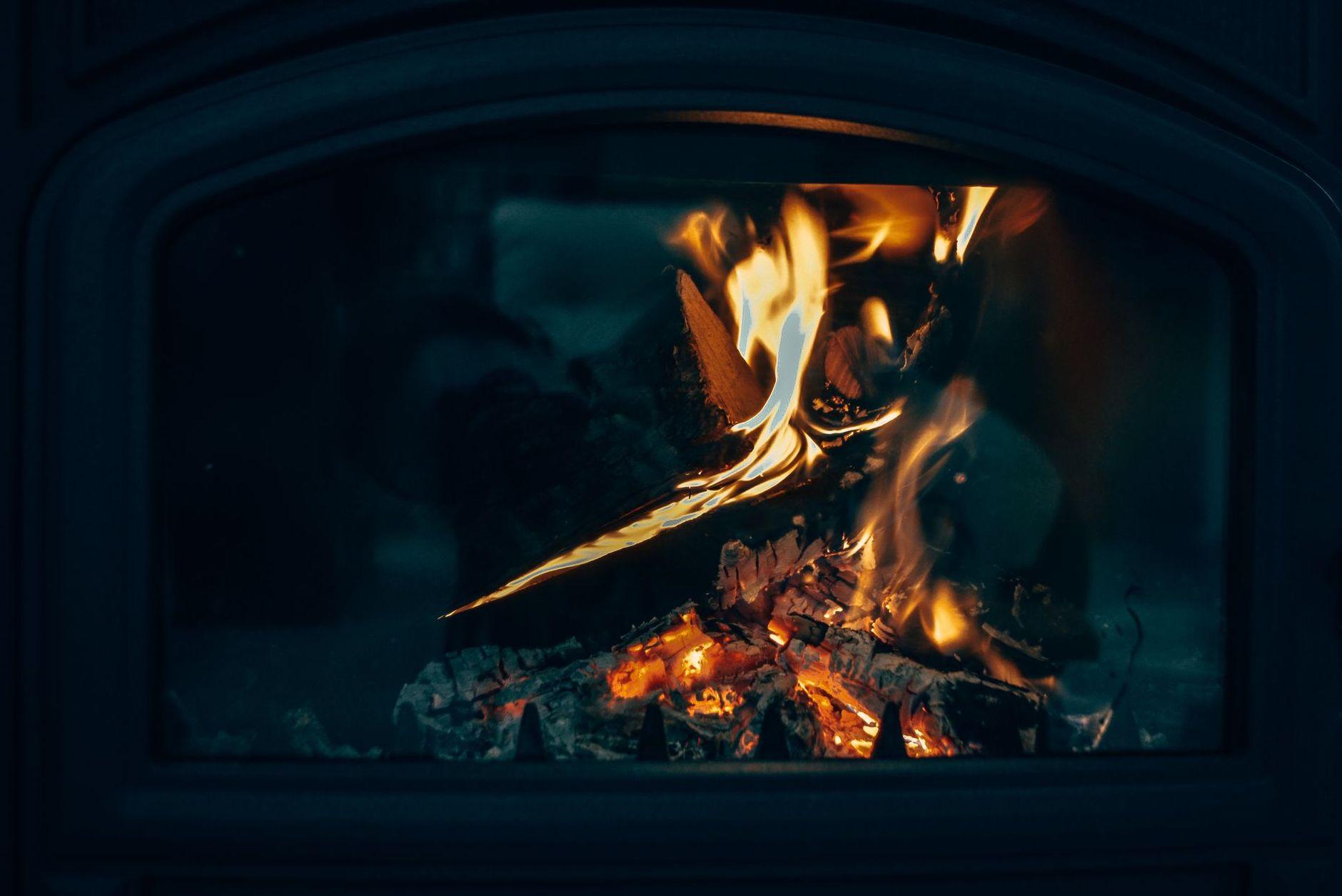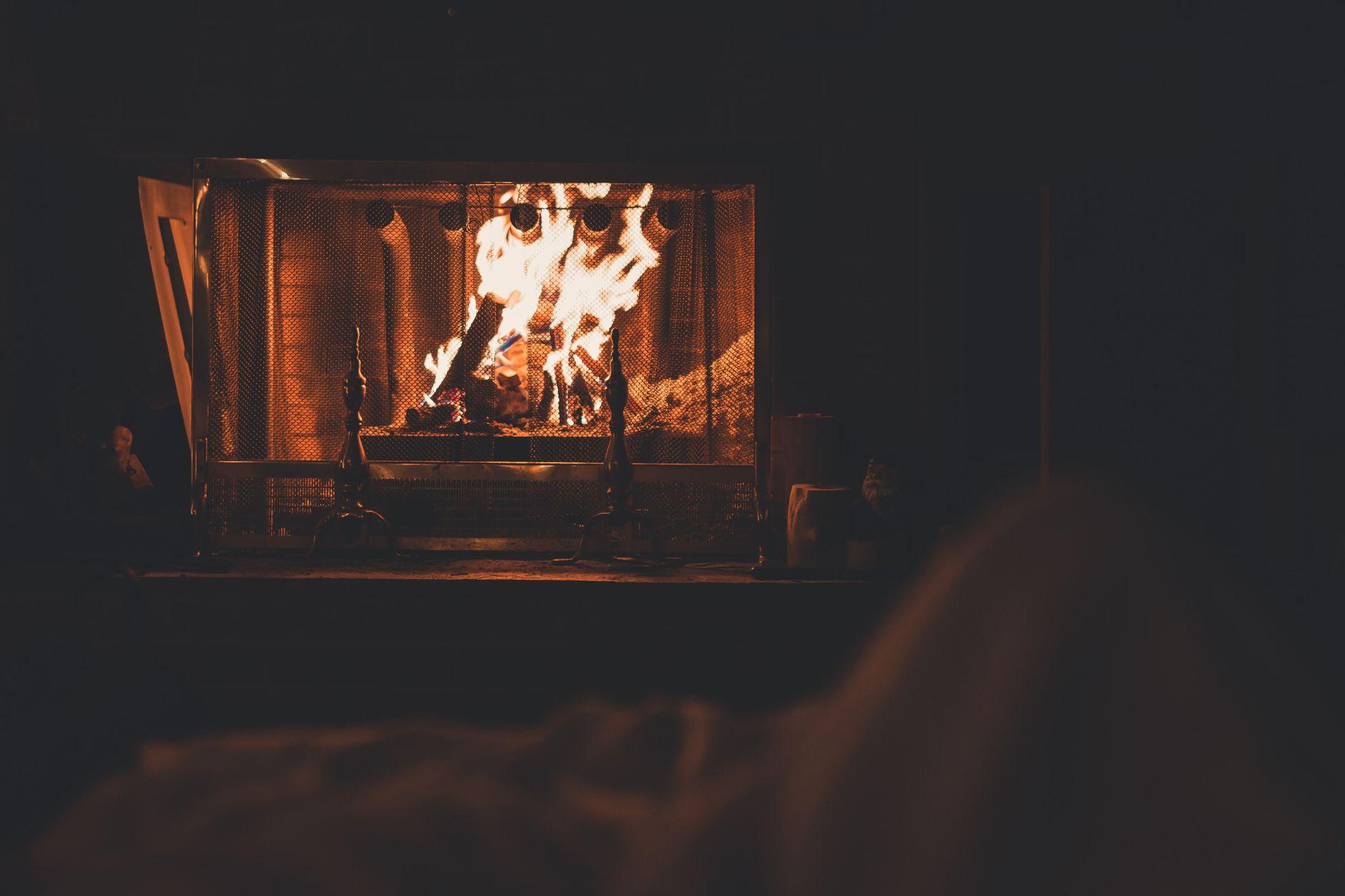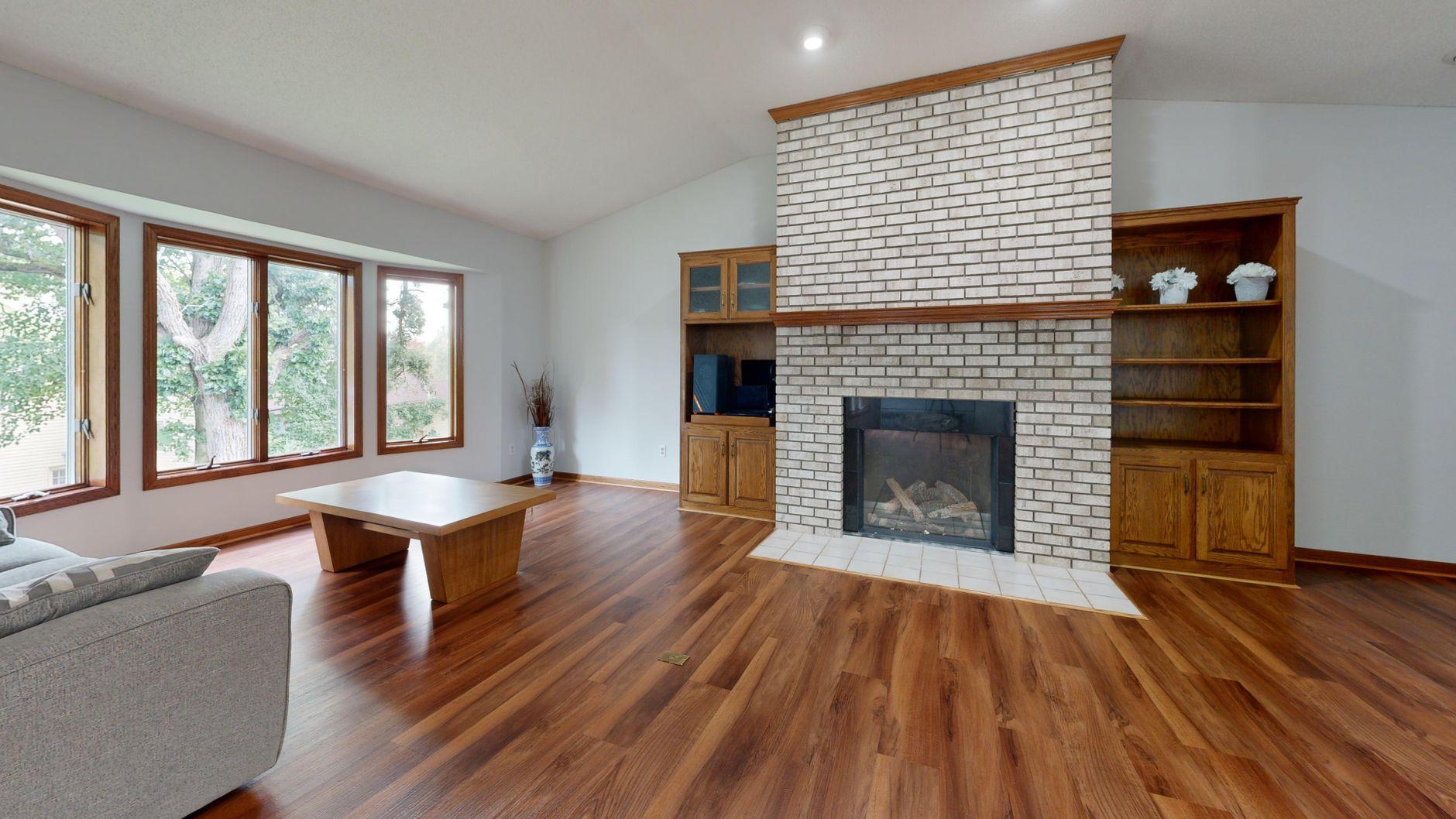
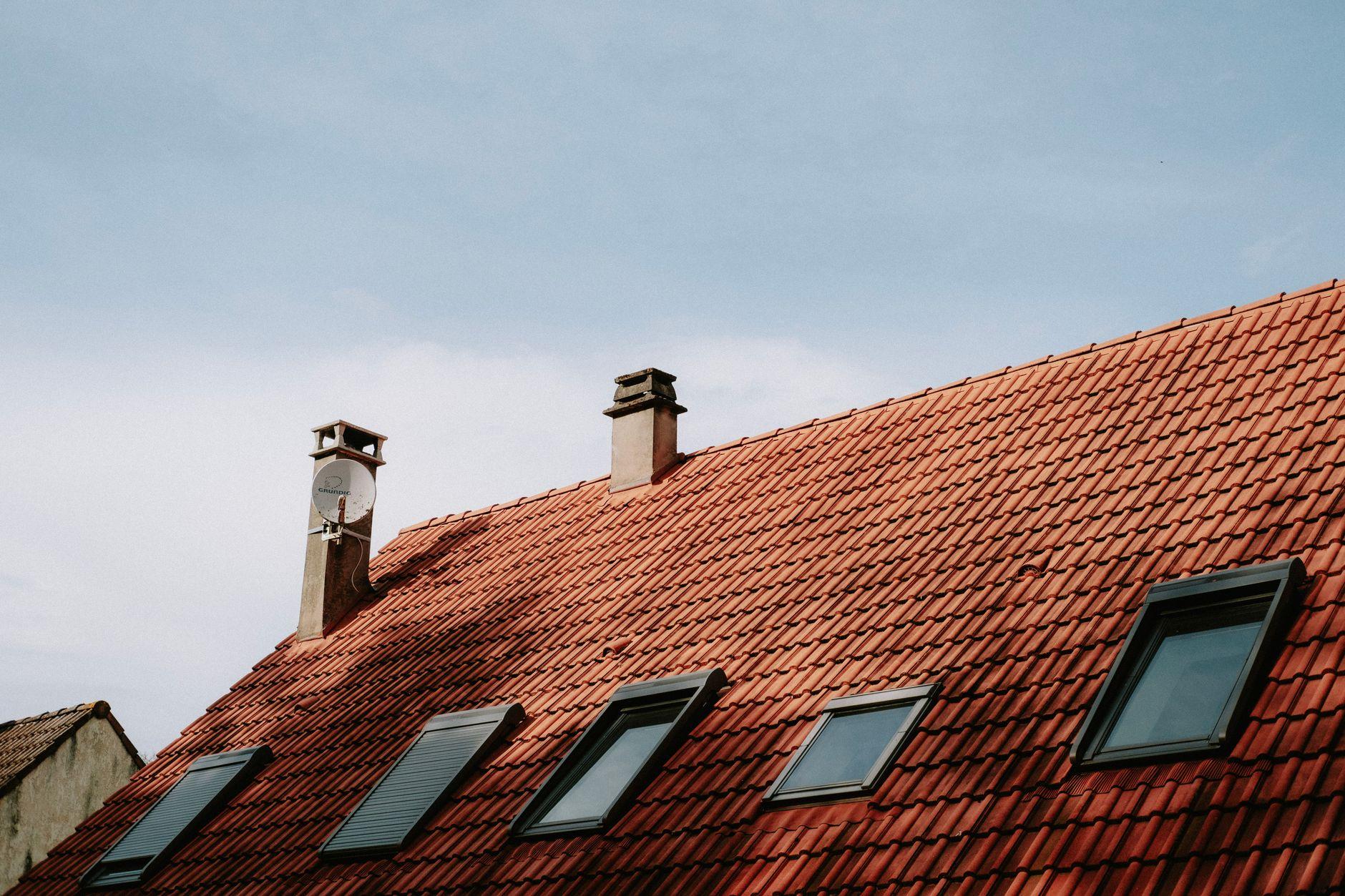
A gas fireplace is a gas appliance first and a fireplace second. Whoever opens the valve tray in your Glendora living room is working on a gas line, a safety system and a vent, and the questions you ask before booking tell you a lot about the visit you will get. This is the list we would want answered if we were the ones doing the hiring.
Ask how they find the fault
A careful technician tests before replacing. On a millivolt unit that means putting a meter on the thermocouple and the thermopile, not swapping both because they are cheap. On an electronic unit it means reading the module's fault light, then the batteries or the adapter, the spark and the flame sensor, in that order. Ask what gets tested before a part is ordered. If the answer is that they usually just change the thermocouple, you may be paying for a part that was never the trouble.
Ask which readings you will get
Three numbers tell you most of what you need to know about a gas fireplace after a visit.
- Inlet pressure at the valve, which shows whether the unit is getting the gas it was built to burn
- Millivolt output on units that run on a thermopile, which shows whether the switch circuit has enough power
- Carbon monoxide in the room with the fire going, which shows whether the venting is doing its work
Someone who writes those down is someone you can hold to the job. They go on every gas visit sheet at Heather Chimney Group.
Ask whether they look at the vent
Most gas fireplace faults that come back again and again turn out to be vent faults. A direct vent cap outside choked with leaves. A liner on an insert that has parted at a joint. A damper in a brick fireplace that someone shut over a log set. Ask whether the termination outside and the flue above the unit are part of the visit. If the exhaust rises through an old masonry chimney, ask whether they can read the brick as well. We work on both, so a pilot fault caused by a cracked flue or a split crown does not get blamed on the valve.
Ask how the price is set
Before the visit you should know what the diagnostic costs and how repairs are priced after it. Ours runs like this: the diagnosis first, then a written quote naming the failed part, whether the replacement is original or universal, and the labour. Nothing gets fitted until you approve that quote. Any extra finding is its own line that you can accept or turn down. Everything that moves that number is set out in our post on what gas fireplace repairs cost.
If you would like us to be one of the companies you compare, tell us the make of the unit and what it is doing and we will book the diagnostic.
Ask about older units
Some fireplaces in Glendora went in during the late 1980s and the 1990s, put in by builders using brands that have since vanished. Ask whether the technician can source parts for an older valve, and what happens if they cannot. A straight answer might be that a universal valve kit will fit, or that the firebox is past saving and an insert is the wiser spend. Be wary of anyone who says every unit can be kept going indefinitely.
Ask what happens while a part is on order
Parts for some valves and modules have to be ordered in, so a repair can take two visits. Ask what state the fireplace is left in meanwhile. Our answer: if the unit is safe to run, or safe with the burner off and the pilot out, we say so in writing. If it is not, the gas to the fireplace is shut and tagged until the part is fitted. Ask as well how the second visit is charged. On our quotes the fitting visit is written into the repair line, so the full cost is on the page before you agree.
Warning signs
- A repair price given over the phone before anyone has seen the valve
- A safety part disabled so the fire will light
- No carbon monoxide reading at the end of the visit
- Parts swapped without the old ones being shown to you
- Glass wiped with a household spray that bakes into a white haze once the unit heats up
What a gas visit from us includes
We begin with the burner off. On sealed units the glass comes out, the logs are lifted, and the pilot assembly, burner ports and valve area are gone over under a work light. Then the unit is lit and watched through a full cycle, from pilot to full flame and back down. On log sets we check that the damper is clamped open. On inserts we look at the liner connection we can reach. The gas fireplace repair page lists the parts we work on, and fireplace gas logs covers log sets.
Hiring for a sale or a rental
If the fireplace belongs to a house that is being sold, the buyer or their agent may want a written report rather than a repair. That is a different booking, described on our home sale chimney inspection page. Landlords with several units in La Verne or Glendora can see how we plan and price that work on the property manager and HOA page.
If our answers to these questions are the ones you hoped to hear, the contact page is where to begin. Give us the address and the make of the unit and we will call back to set a time.
Want Your Own Unit Checked?
Heather Chimney Group sends technicians out from Glendora across Glendora and Los Angeles County. They meter the pilot, valve and igniter, check the vent, and write down the failed part and its price before anything is replaced.