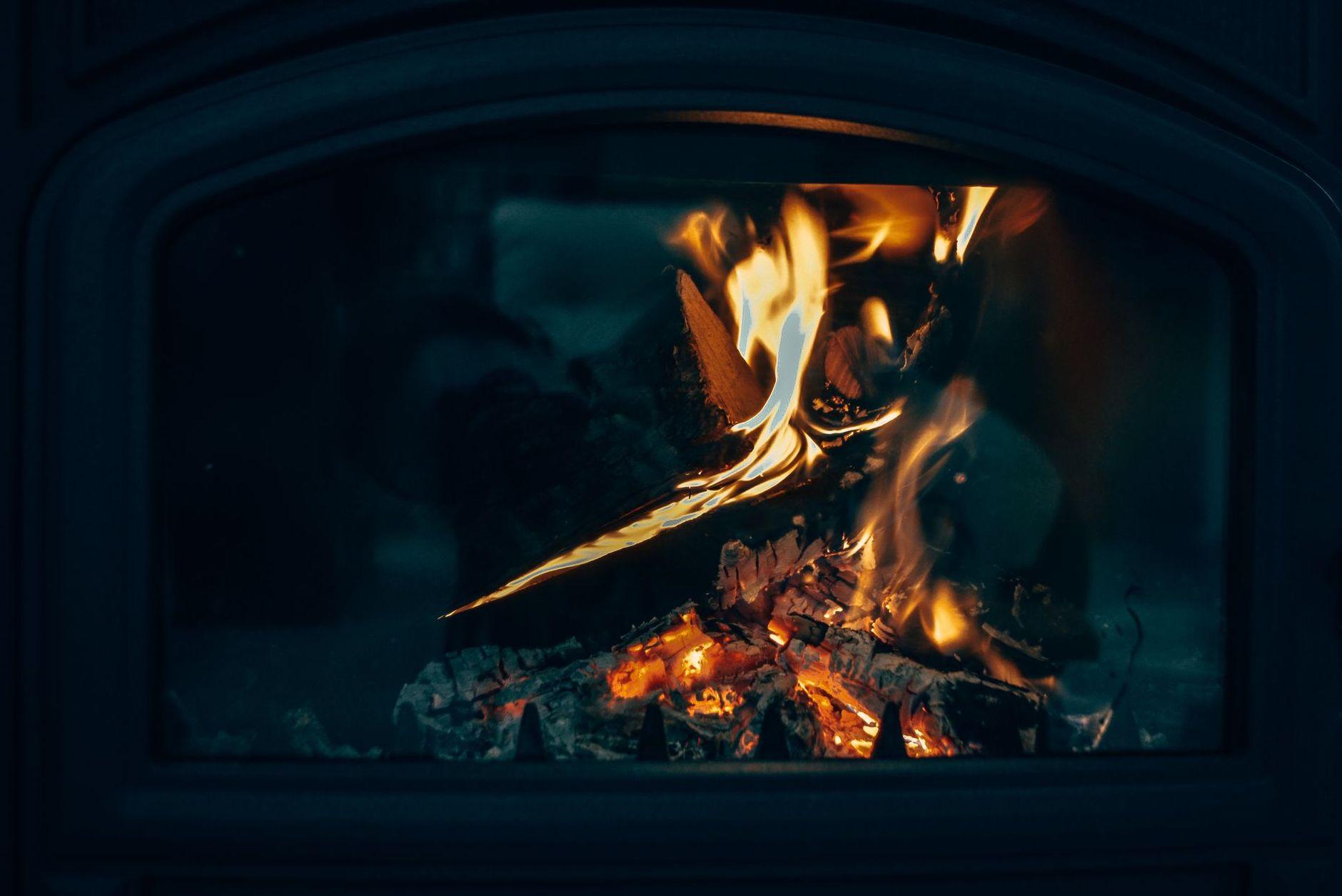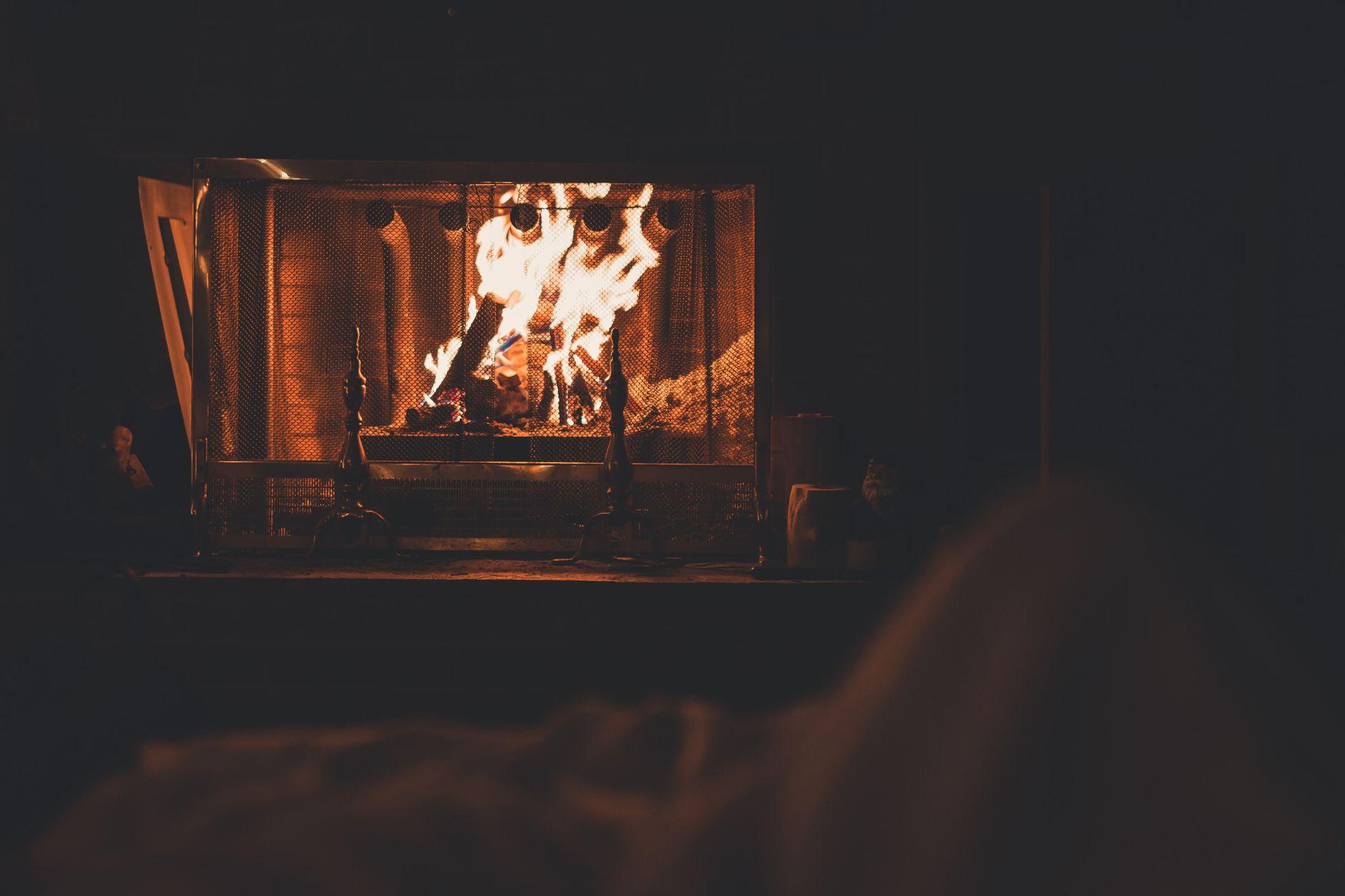
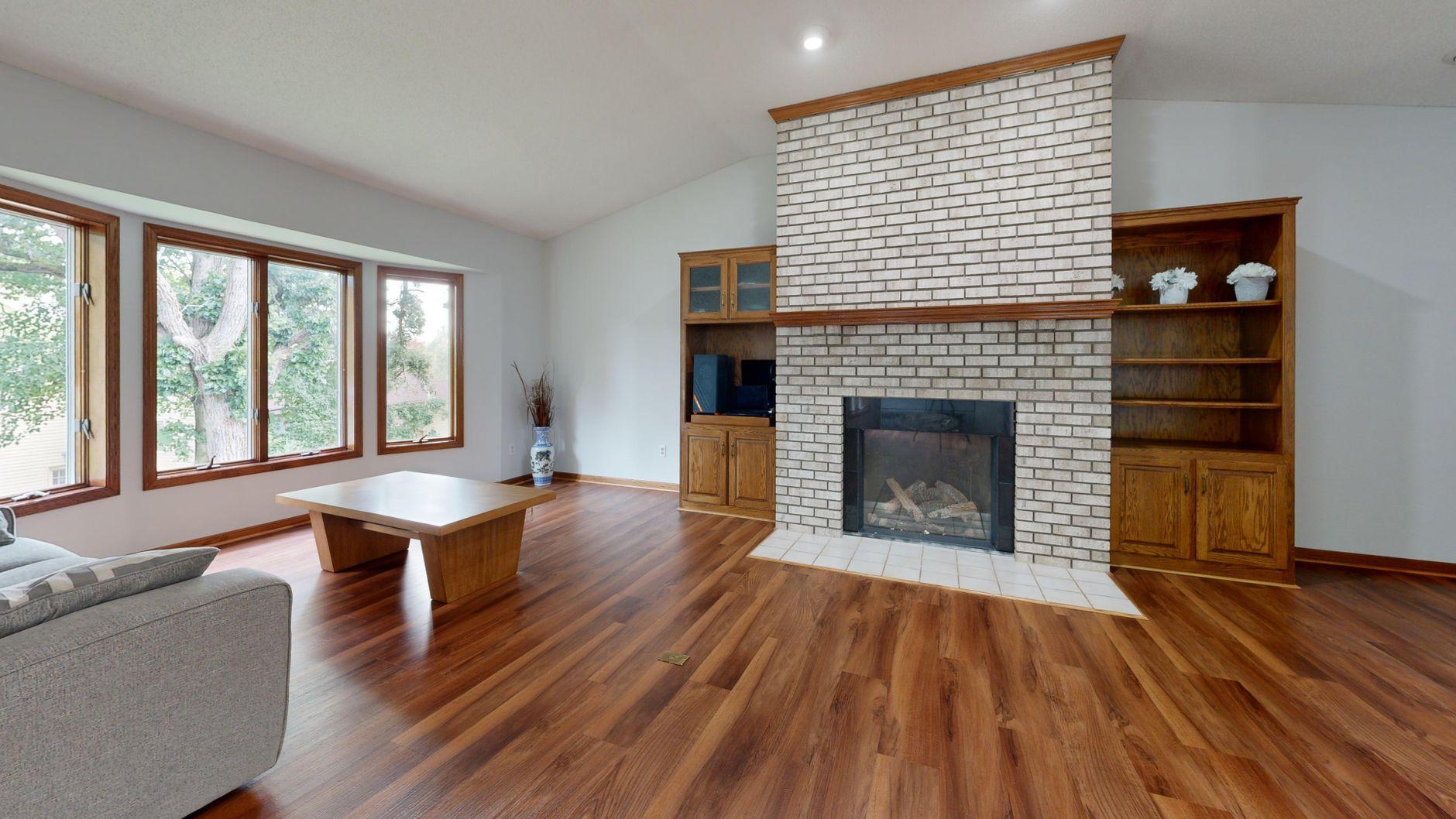
Gas logs wear out more quietly than any other part of a fireplace. The ceramic fibre cracks, the paint that made them look like split oak burns off to grey, the burner pan rusts, and the flame that once wrapped the front log now stands up in two or three tall jets. Owners in Glendora usually call us when the set looks tired, or when the pilot on an older set has given up. Here is what goes into the price of replacing one, and why Heather Chimney Group never prices a set without looking at the fireplace around it.
What a log set is made of
A log set is more than the logs. There is a burner pan or tube, a grate that holds the logs in a fixed layout, the logs themselves, an ember bed of rock wool or glowing granules, and a control. The plainest sets are match-lit and turned on with a key in the floor or the wall. Better ones carry a safety pilot, a valve with a thermocouple and sometimes a remote. Burner and logs are made as a pair and tested together, so we do not mix an old burner with new logs from another maker.
Vented sets only
We fit vented sets, the kind that burn with the flue open. A vented set runs with the damper held partly open by a clamp, so exhaust goes up the chimney much as wood smoke would. That makes the set mostly about the look of a fire. If you want real heat in the room, a sealed insert is the better spend, and our post comparing inserts and direct vent units covers that choice.
Matching the set to the opening
A log set has to suit the firebox as well as the burner. A set too large for the opening crowds the flame against the back wall and soots the brick. A set too small looks lost and leaves the corners black. We measure the front width, the back width, the depth and the height, then bring options that fit all four numbers, with the maker's clearance to the mantel above checked against what you have.
What decides the price
- Burner size. The burner is matched to the firebox width and depth. A wide, shallow fireplace in a 1950s Glendora ranch house takes a different burner from a tall, deep one.
- Control. A match-lit set on a key valve costs less than a set with a safety pilot and a remote valve.
- Log material. Ceramic fibre sets are lighter and less costly. Refractory cement sets are heavier, carry more detail and last longer.
- Gas at the hearth. If a line and key valve are already there, the set connects to them. If the line is undersized or missing, extending it is a separate line on the quote.
- The damper clamp. The damper above a vented set has to stay open, so a clamp or a stop is fitted that keeps it from being shut by mistake.
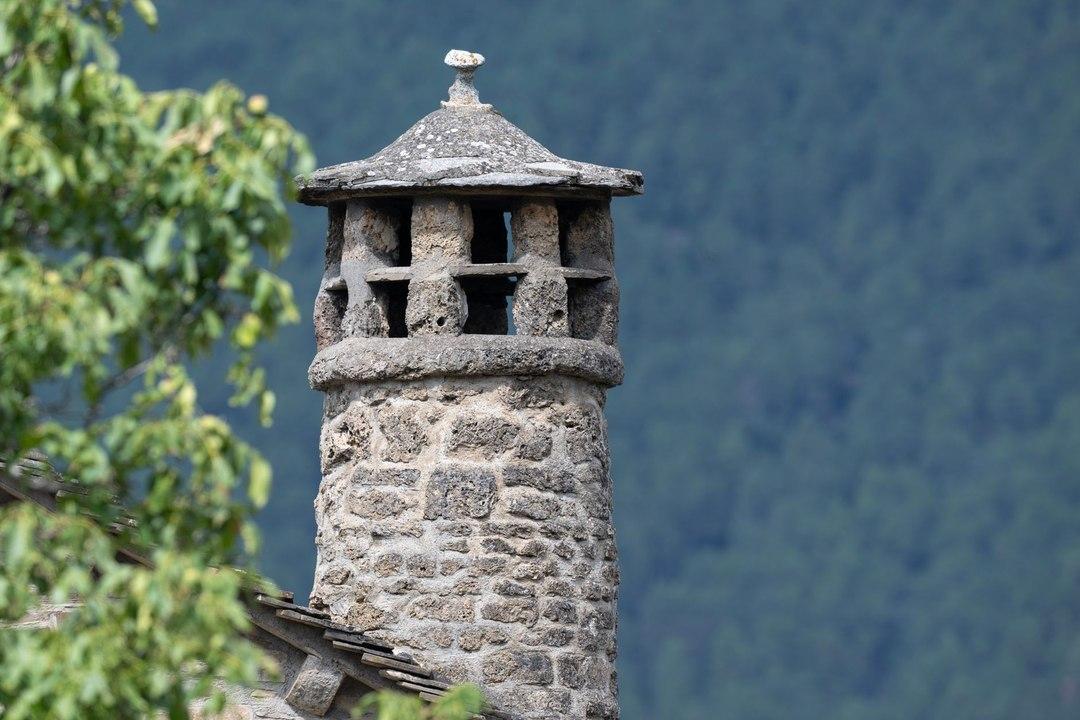
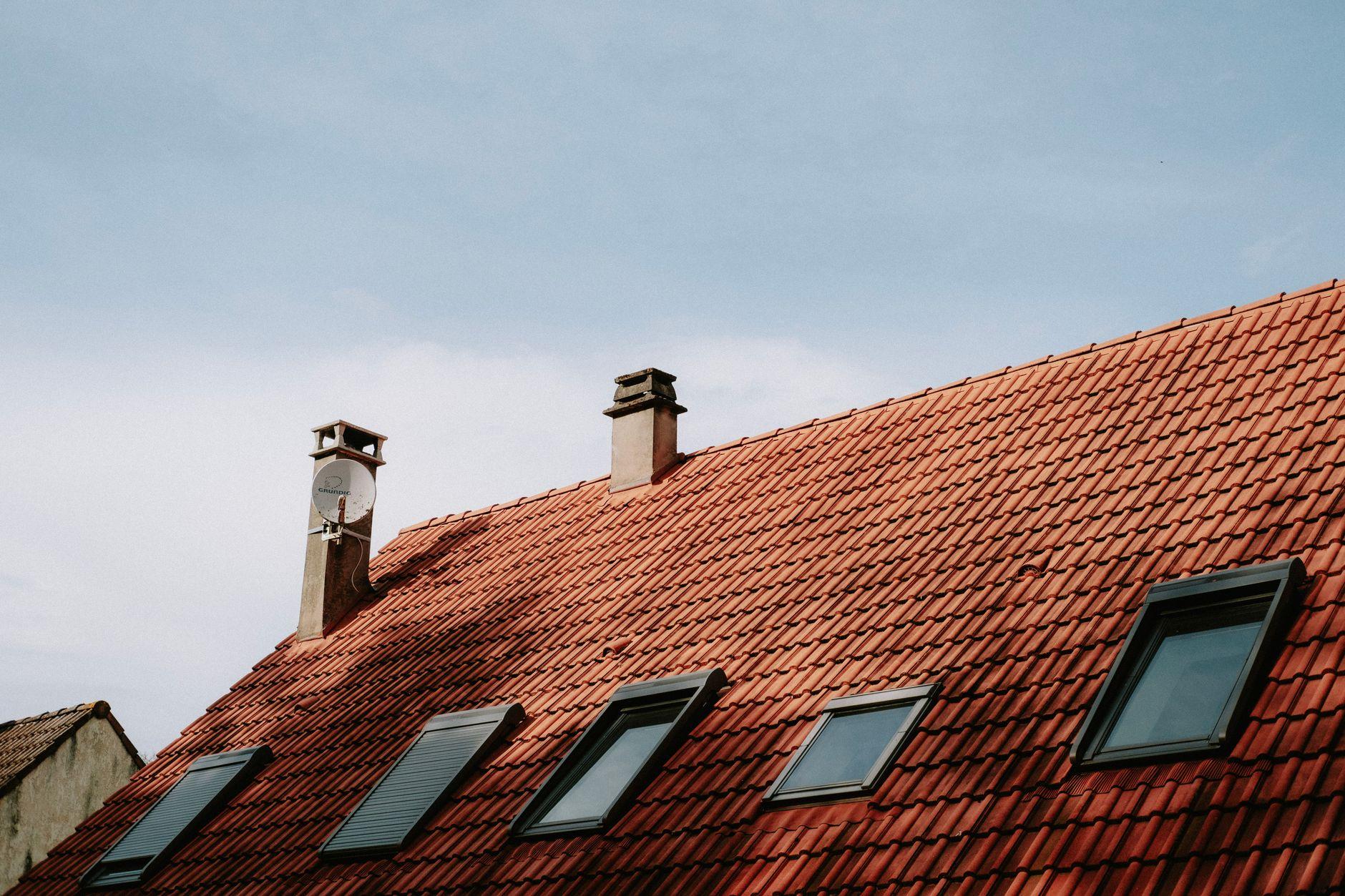
- The chimney. The flue has to be clear and sound. A sweep, a cap or a masonry repair found on the visit goes on the quote as its own line.
Log sets run from plain to elaborate, so we price the set once the firebox has been measured. One related item does carry a published figure: a sweep, if the flue needs one before gas goes in, is from $440. A cap for an open chimney top is quoted on site; size, metal and the number of flues set its price.
For a written price on a new set, give us the width of the fireplace opening and say whether there is a gas key on the hearth or the wall. We will book a time to measure and check the flue.
Why the flue gets checked first
A fireplace that burned wood for decades has creosote in the flue. Gas exhaust carries water vapour, and that moisture working on old creosote makes an acidic, smelly residue that can weep back into the room on a warm day. Old sets also hide problems, such as a cracked flue tile or a bird nest the low flame of a log set never disturbed. A Level 1 inspection at $57 covers what we can reach and see, and if something there points to a hidden problem, we explain why a camera run is worth it before you spend money on a new set.
When a set needs replacing rather than servicing
Not every tired set has to go. A proper clean, a rebuilt ember bed and logs placed back to the maker's diagram can revive one. Replacement makes sense when:
- logs are cracked through or crumbling at the ends
- the burner pan is rusted or burned through
- the pilot assembly or valve has failed and no parts are made for it
- soot keeps returning even with the logs set correctly
If you are unsure which way it goes, our gas fireplace cleaning visit is the place to start. We will tell you on the day whether the set has more years in it.
Log sets around Glendora
Many older houses in Glendora, La Verne and Azusa were built with a log lighter pipe, so gas already reaches the hearth. Others, often houses switched from wood more recently, have a set dropped in with no clamp on the damper and nobody looking up the flue first. We see both, and the fix for the second is usually small. The fireplace gas logs page has more on the sets we fit and the parts we keep in mind for them.
When the old set has done its time, head to the contact page and tell us the size of the opening. We will come out, measure, look up the flue and put the price in writing.
Want Your Own Unit Checked?
Heather Chimney Group sends technicians out from Glendora across Glendora and Los Angeles County. They meter the pilot, valve and igniter, check the vent, and write down the failed part and its price before anything is replaced.